

5377 GA-136
Trenton, GA 30752

Diabetic Retinopathy: How Diabetes Affects Your Eyes
Diabetic Retinopathy: How Diabetes Affects Your Eyes
More than one in three people with diabetes will develop some form of diabetic retinopathy. Yet many do not learn what it is until their vision has already started to change. Understanding the connection between diabetes and your eyes can help you protect your sight.
What Is Diabetic Retinopathy?
Diabetic retinopathy occurs when high blood sugar harms the blood vessels in the retina. Over time, high sugar levels weaken these vessels. They may swell, leak fluid, or even close up.
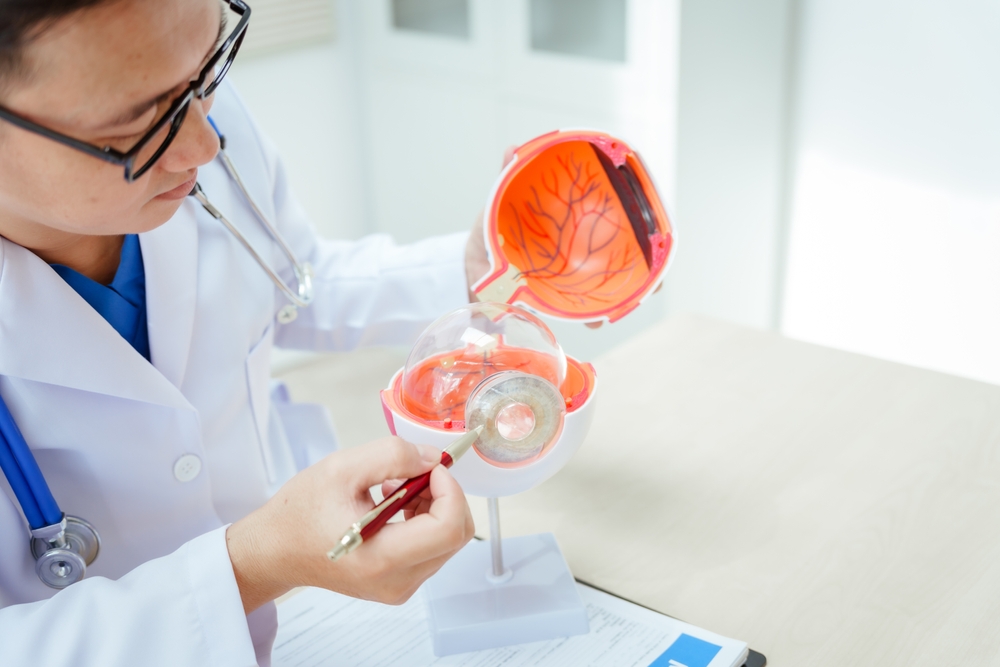
Think of the retina as the film inside a camera. It captures the light that enters your eye and sends those images to your brain. The result of the damage to the tiny blood vessels in the retina is that the images start to blur or warp. In the beginning, you may notice nothing at all. But as the damage grows, so does the risk of permanent vision loss.
How Diabetes Damages the Eye
High blood sugar causes the walls of retinal blood vessels to thicken and weaken. Tiny bulges called microaneurysms form and can leak fluid and blood into the retina.
When fluid leaks into the macula, it causes swelling. This is called diabetic macular edema. It is the most common cause of vision loss in people with diabetic retinopathy. About half of those with the condition will develop it.
In more advanced stages, the damaged vessels close off. The eye responds by growing new ones, but these are fragile and abnormal. They bleed easily. The result is the formation of scar tissue, which pulls on the retina, leading to detachment. This is called proliferative diabetic retinopathy and can cause blindness.
What Symptoms Should You Watch for
The early stages often have no symptoms. You can have damage for years and not feel a thing. That silence is what makes it dangerous.
As the condition progresses, signs begin to appear. Floaters, which are spots or dark strings drifting in your vision. Blurred vision that comes and goes. Dark or empty areas in your field of view. Difficulty seeing at night. Colors that look washed out. Sudden vision loss if bleeding is severe.
If you notice any of these changes, contact an eye doctor right away. A shower of new floaters or sudden blurring should never be ignored.
How It Is Diagnosed and Treated
Using a dilated eye exam, an eye doctor can tell you if you have this condition or not. They use eye drops to widen your pupils so they can see the retina and its blood vessels clearly. Sometimes, they also use a special imaging test called optical coherence tomography. It creates a detailed map of the retina and can show even small amounts of swelling.
If you have type 2 diabetes, get an eye exam as soon as you are diagnosed. For type 1 diabetes, have your first exam within five years. After that, get your eyes checked every year, even if your vision seems normal.
In the early stages, keeping your blood sugar, blood pressure, and cholesterol under control may be enough. If more treatment is needed, anti-VEGF injections can stop abnormal blood vessel growth. Laser treatment can seal leaking vessels.
For severe damage, doctors may consider a surgery called a vitrectomy. It removes blood and scar tissue from the eye. The sooner the problem is found, the more effective treatments like this become.
For more on how diabetes affects your eyes, visit McDonald Eye Care & Eyewear. Our office is in Trenton, Georgia. Call (706) 657-7559 to book an appointment today.
https://www.mayoclinic.org/diseases-conditions/diabetic-retinopathy/symptoms-causes/syc-20371611
https://www.cdc.gov/diabetes/diabetes-complications/diabetes-and-vision-loss.html
© 2025 McDonald Eye Care & Eyewear. All rights Reserved - Accessibility Statement - Privacy Policy - Sitemap
Powered by
